West Nile Virus

Symptoms of West Nile Virus may include headache, fever, fatigue, dizziness, weakness and confusion. Health care providers should contact their county health department if they suspect an individual may meet the case definition for a mosquito-borne illness. DOH laboratories provide testing services for health care providers treating patients with clinical signs of mosquito-borne disease.
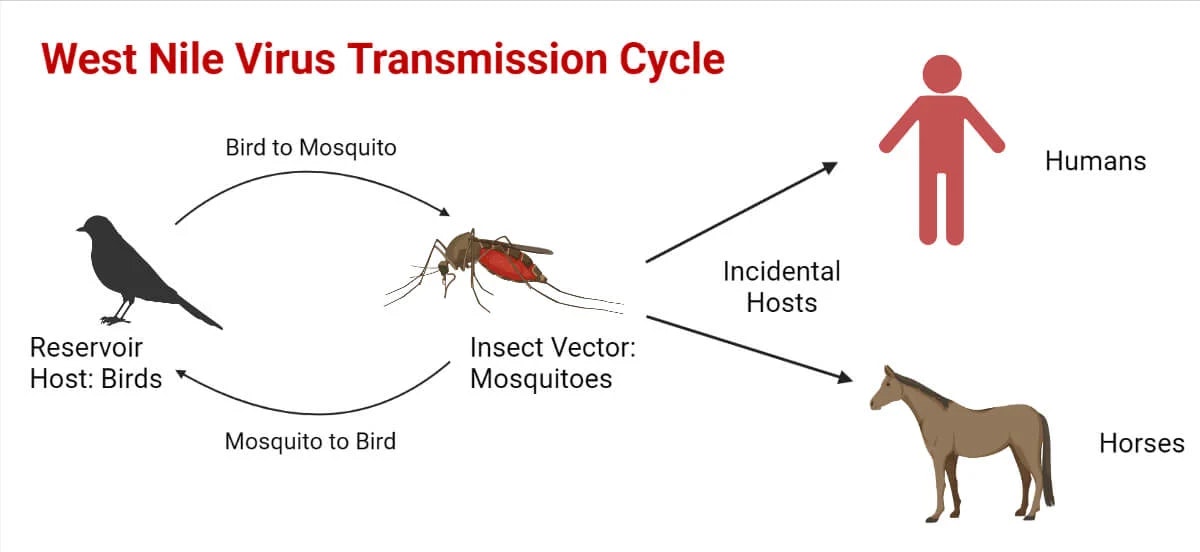
TRANSMISSION: Most often, WNV is spread by the bite of an infected mosquito. Mosquitoes become infected when they feed on infected birds. Infected mosquitoes can then spread WNV to humans and other animals when they bite. WNV is not spread through casual contact such as touching or kissing an infected person.
The peak period of transmission in Florida is July through September. Since its introduction, WNV activity has been identified in all 67 of Florida’s counties. After the 2003 peak, the number of human cases gradually decreased over the years from 2004 to 2009 until it started showing an increase in the number of cases in 2010.
SYMPTOMS: The natural cycle of WNV involves several species of Culex mosquitoes and wild birds. It can cause high rates of mortality in certain families of birds, especially crows and jays. Occasionally, an infected mosquito will bite a human or animal (particularly horses) and cause disease. The virus can also be transmitted to humans through contaminated blood transfusions and a few cases have also been reported involving intrauterine transmission. Since 2003, all blood donations are screened for the presence of WNV prior to transfusion.

- Serious Symptoms. About one in 150 people infected with WNV will develop severe illness. The severe symptoms can include high fever, headache, neck stiffness, stupor, disorientation, coma, tremors, convulsions, muscle weakness, vision loss, numbness, and paralysis. These symptoms may last several weeks, and neurological effects may be permanent. Severe illness can also result in death.
- Milder Symptoms. Up to 20% of the people who become infected have symptoms such as fever, headache, and body aches, nausea, vomiting, and sometimes swollen lymph glands or a skin rash on the chest, stomach and back. Symptoms can last from a few days to several weeks.
- No Symptoms. Approximately 80% of people who are infected with WNV will not show any symptoms at all.
Most West Nile virus infections (approximately 80%) are asymptomatic. In those people that do develop symptoms, most experience a mild illness termed West Nile fever (WNF) that is characterized by headache, fever, pain, and fatigue. Symptoms typically appear between 2-14 days after the bite of an infected mosquito. Less than 1% of infected people develop the most severe form of disease, neuroinvasive WNV, which may involve meningitis and encephalitis and can cause irreversible neurological damage, paralysis, coma or death.

TREATMENT: There is no specific treatment for WNV infection. In cases with milder symptoms, people experience symptoms such as fever and aches that pass on their own, although it may take several weeks to fully recover. In more severe cases, people usually need to go to the hospital where they can receive supportive treatment including intravenous fluids, help with breathing and nursing care.
PREVENTION: The best way to protect yourself and your loved ones from West Nile virus is to prevent mosquito bites. DOH continues to advise the public to remain diligent in their personal mosquito protection efforts. These should include remembering “Drain and Cover” which is explained in this video:
Click these links for more information:
- Centers for Disease Control and Prevention (CDC) West Nile Virus Information
- University of Florida Mosquito Information Website
- University of Florida West Nile Virus Info
West Nile Virus Related Resources
- Centers For Disease Control (CDC West Nile Virus Page)
- U.S. Environmental Protection Agency (EPA and Mosquito Control)
- USDA (Info on West Nile Virus in Animals)
- National Pesticide Information Center (West Nile Virus Resource Guide)